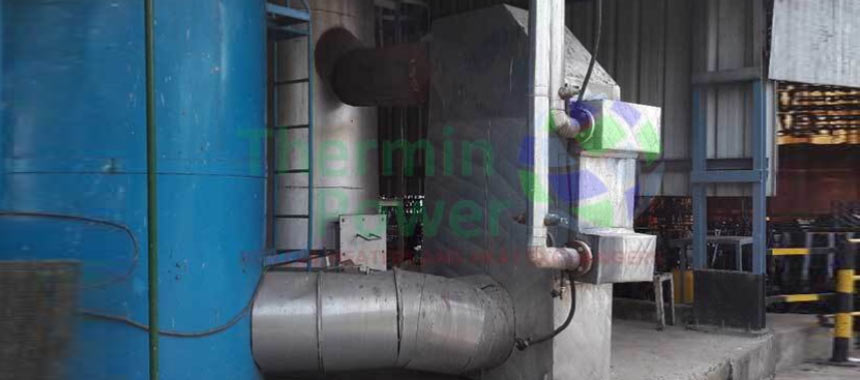
Waste Heat Recovery Systems Manufacturers in India
Thermin Energy Systems Pvt. Ltd. is a prominent Waste Heat Recovery System manufacturer, supplier, and exporter in India, providing advanced and customized solutions for recovering and reusing waste heat generated from industrial processes. Our Waste Heat Recovery Systems are engineered to capture otherwise wasted thermal energy from exhaust gases, furnaces, boilers, kilns, ovens, compressors, and other high-temperature industrial operations and convert it into useful energy for steam generation, hot water production, air preheating, or other process requirements.
With over 14 years of experience in thermal energy auditing, heat recovery, and energy optimization, we offer complete solutions covering system design, engineering, manufacturing, installation, and commissioning. By integrating efficient heat recovery technologies with modern thermal analysis and process optimization, our systems help industries reduce fuel consumption, lower operating costs, improve overall energy efficiency, minimize emissions, and enhance long-term production sustainability. Thermin Energy Systems is committed to delivering reliable, high-performance Waste Heat Recovery Systems tailored to the specific energy requirements of diverse industrial applications.
Industries increasingly rely on Industrial Waste Heat Recovery System, Boiler heat recovery system, and Boiler waste heat recovery system technologies to maximize energy utilization while aligning with environmental and cost-efficiency goals.
What Is a Waste Heat Recovery System?
A Waste Heat Recovery System is an engineered thermal energy recovery solution designed to capture excess heat generated during industrial processes and redirect it for productive use. Instead of allowing exhaust gases, process steam, flue emissions, or high-temperature discharge to escape into the atmosphere, the recovered heat is converted into steam, hot water, electricity, combustion air preheating, or process heating.
How Does a Waste Heat Recovery System Work?
Controlled Thermal Energy Recovery: Captures high-temperature exhaust heat from industrial processes through engineered heat exchange surfaces.
Efficient Heat Transfer Mechanism: Transfers recovered thermal energy to secondary media such as water, steam, thermal oil, or process air.
Industrial Energy Reutilization: Recovered heat is reused for steam generation, process heating, preheating applications, and power generation.
Smart Performance Optimization: Modern systems integrate predictive diagnostics, variable flow control, self-cleaning heat surfaces, intelligent sensors, and real-time efficiency monitoring to maintain stable recovery under varying load conditions.
What Are the Different Types of Waste Heat Recovery Systems?
A well-known Waste Heat Recovery System manufacturers in India, we are providing the best quality Waste Heat Recovery System such as:
Waste Heat Recovery Boiler System This advanced Boiler waste heat recovery system captures high-temperature exhaust gases and converts them into process steam without additional fuel consumption. Modern configurations include automated soot removal, corrosion-resistant alloy structures, and predictive thermal control algorithms for improved steam stability. These systems are highly preferred in cement plants, power facilities, chemical processing units, and heavy manufacturing operations.
Regenerative Heat Recovery System This thermal recovery configuration stores and reuses industrial heat through regenerative media for continuous energy circulation. New technological enhancements include ceramic matrix recovery chambers, smart thermal storage balancing, and automated heat cycling control for greater operational consistency. It is widely adopted in steel production, glass processing, and high-temperature industrial furnaces.
Recuperative Heat Recovery System Recuperative systems transfer thermal energy directly between hot exhaust streams and incoming process air through engineered heat exchange modules. Current developments involve compact micro-channel designs, intelligent airflow optimization, and enhanced anti-fouling surfaces to improve energy retention. These systems support industrial combustion optimization and efficient heat reuse across continuous production environments.
Organic Rankine Cycle Heat Recovery System This advanced recovery technology converts low-grade waste heat into electrical power using specialized organic fluids. Recent innovations include AI-assisted cycle optimization, dynamic turbine control, and integrated performance forecasting for improved energy conversion. These systems are increasingly deployed in modern Industrial Waste Heat Recovery System installations requiring electricity generation.
What Features Make Modern Waste Heat Recovery Systems More Efficient?
One of the leading Waste Heat Recovery System suppliers in India, our all-types of Waste Heat Recovery System are included with new technological formulations such as:
Intelligent Thermal Performance Monitoring Modern systems integrate real-time thermal sensors and cloud-based monitoring platforms for continuous operational analysis. Automated alerts and predictive maintenance algorithms minimize downtime and improve system responsiveness. This technology supports consistent energy recovery under variable industrial loads.
High-Efficiency Heat Transfer Architecture Engineered heat exchange surfaces are designed with optimized flow channels and enhanced thermal conductivity materials. New computational heat transfer modeling improves heat capture while reducing pressure losses across the system. This architecture contributes significantly to industrial energy conservation goals.
Corrosion and Fouling Resistance Engineering Advanced material science has introduced high-temperature alloys and protective coatings that extend operational lifespan. Automated cleaning mechanisms and intelligent deposit monitoring maintain thermal efficiency over long operating cycles. These improvements reduce maintenance costs and increase process reliability.
Proof Block: Industrial Performance Validation
Evaluation Timeline: 12-month monitored operational period across varying production cycles.
Environmental Conditions: Continuous operation under elevated exhaust temperatures, fluctuating thermal loads, industrial dust exposure, and seasonal environmental variation.
Reviewer Background: Assessment conducted by industrial process engineers, thermal performance analysts, and plant operations specialists focused on energy efficiency and lifecycle performance. Observed Results:
Improved thermal utilization efficiency
Reduced fuel consumption rates
Stable steam generation performance
Lower operational emissions
Enhanced process reliability through predictive monitoring
Where Are Waste Heat Recovery Systems Used? Advanced Industrial Applications
Being the best Waste Heat Recovery System exporters in India, our all types of Waste Heat Recovery System are included with new feature and highly used in multiple applications such as:
Cement Manufacturing Energy Recovery Waste heat generated from kiln and clinker operations is recovered and reused for steam generation and process optimization. Advanced heat analytics and dynamic thermal balancing improve plant-wide energy utilization. This application supports lower operating costs and improved sustainability targets.
Boiler and Steam Generation Optimization A modern Boiler heat recovery system captures unused thermal discharge to improve steam generation efficiency. Intelligent steam demand prediction and automated load management maintain consistent production output. This application significantly reduces additional fuel requirements.
Metal and Steel Processing Industries High-temperature exhaust from furnaces and reheating operations is recovered for process heating and energy reuse. New digital recovery controls help maintain thermal consistency across production lines. This improves operational efficiency and reduces thermal losses.
Chemical and Petrochemical Operations Industrial heat recovery systems support process heating, utility generation, and energy recycling across continuous production environments. Advanced thermal diagnostics and process integration enable optimized heat utilization. These systems help reduce overall energy intensity and support sustainable manufacturing.
Industrial Case Study: Thermal Efficiency Improvement in Continuous Manufacturing
Industry Segment: Industrial ManufacturingObjective: Reduce fuel dependency and improve process heat utilization.
Challenge: The facility experienced excessive heat discharge and rising operational energy costs.
Solution
An advanced Waste Heat Recovery System with automated thermal monitoring and adaptive heat redistribution technology was implemented.
Outcome
Significant improvement in thermal energy utilization
Lower production energy costs
Improved operational continuity
Enhanced sustainability performance metrics
Thermin Energy Systems Pvt. Ltd. is a leading Waste Heat Recovery System manufacturers in India, suppliers and exporters in India. We continue to support industrial energy optimization through advanced Waste Heat Recovery System solutions engineered for performance, sustainability, and operational reliability. With intelligent heat recovery technologies, enhanced thermal efficiency mechanisms, and application-focused engineering, these systems enable industries to convert unused heat into measurable operational value and long-term energy savings. Contact us today for more information!
Frequently Asked Questions (FAQs)
It captures unused thermal energy and converts it into reusable heat, steam, or power, reducing fuel consumption and increasing overall process efficiency.
Yes, modern systems are engineered with automated controls and predictive monitoring to maintain stable performance during continuous industrial production.
Cement, steel, chemical, petrochemical, power generation, food processing, and manufacturing industries achieve strong performance benefits.
Current developments include AI-based optimization, IoT-enabled monitoring, advanced heat exchanger materials, predictive maintenance platforms, and intelligent thermal analytics.